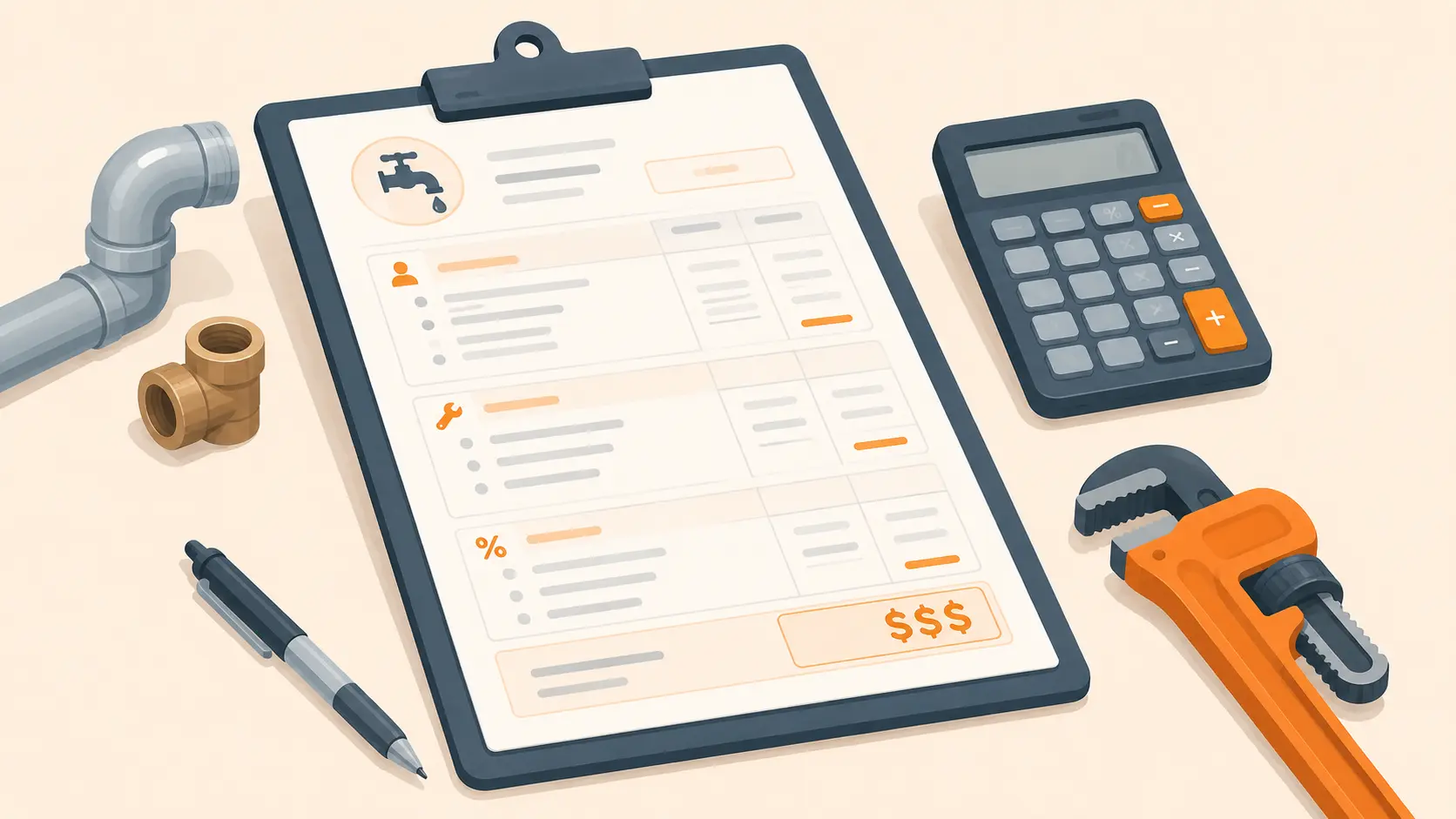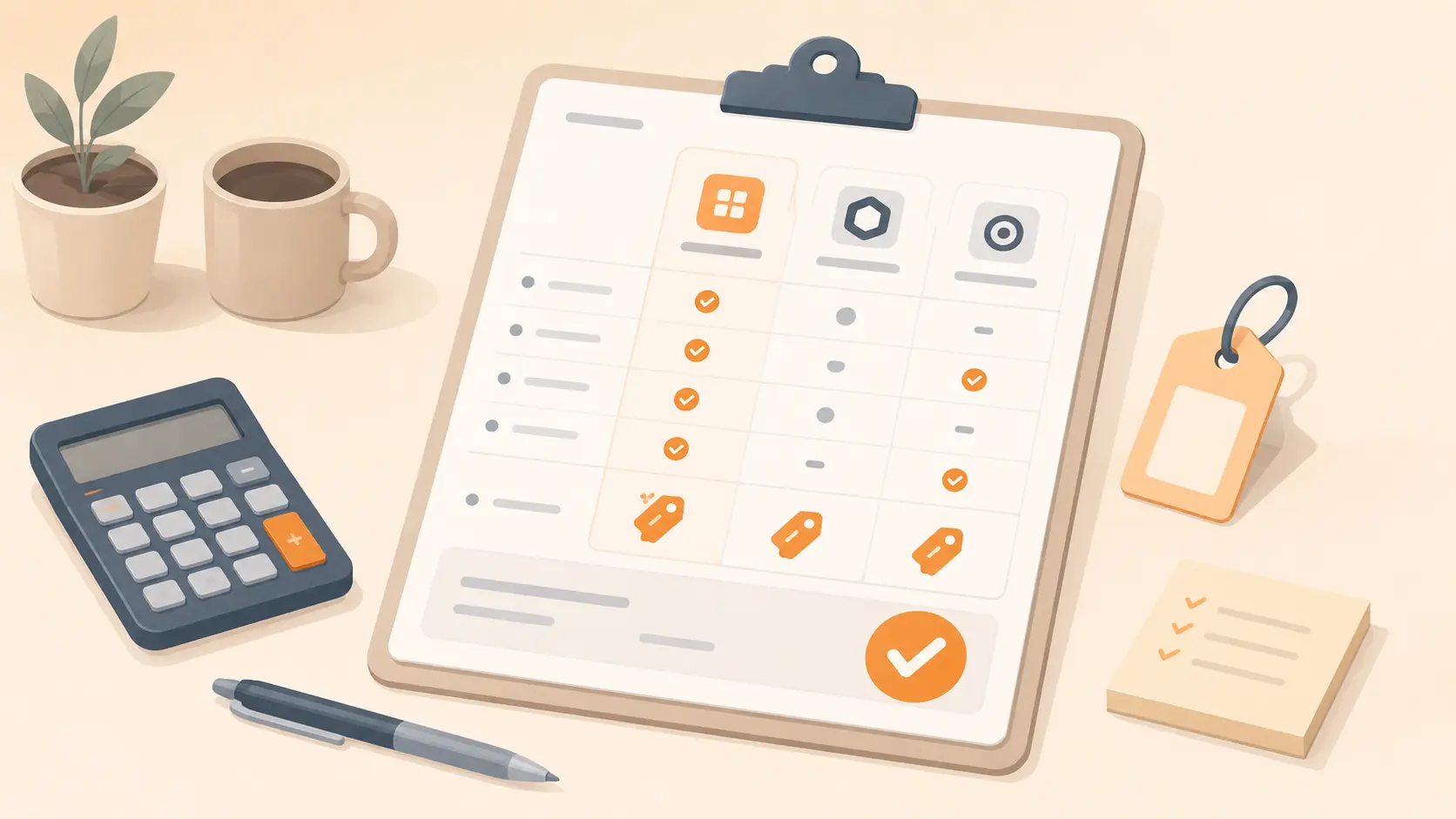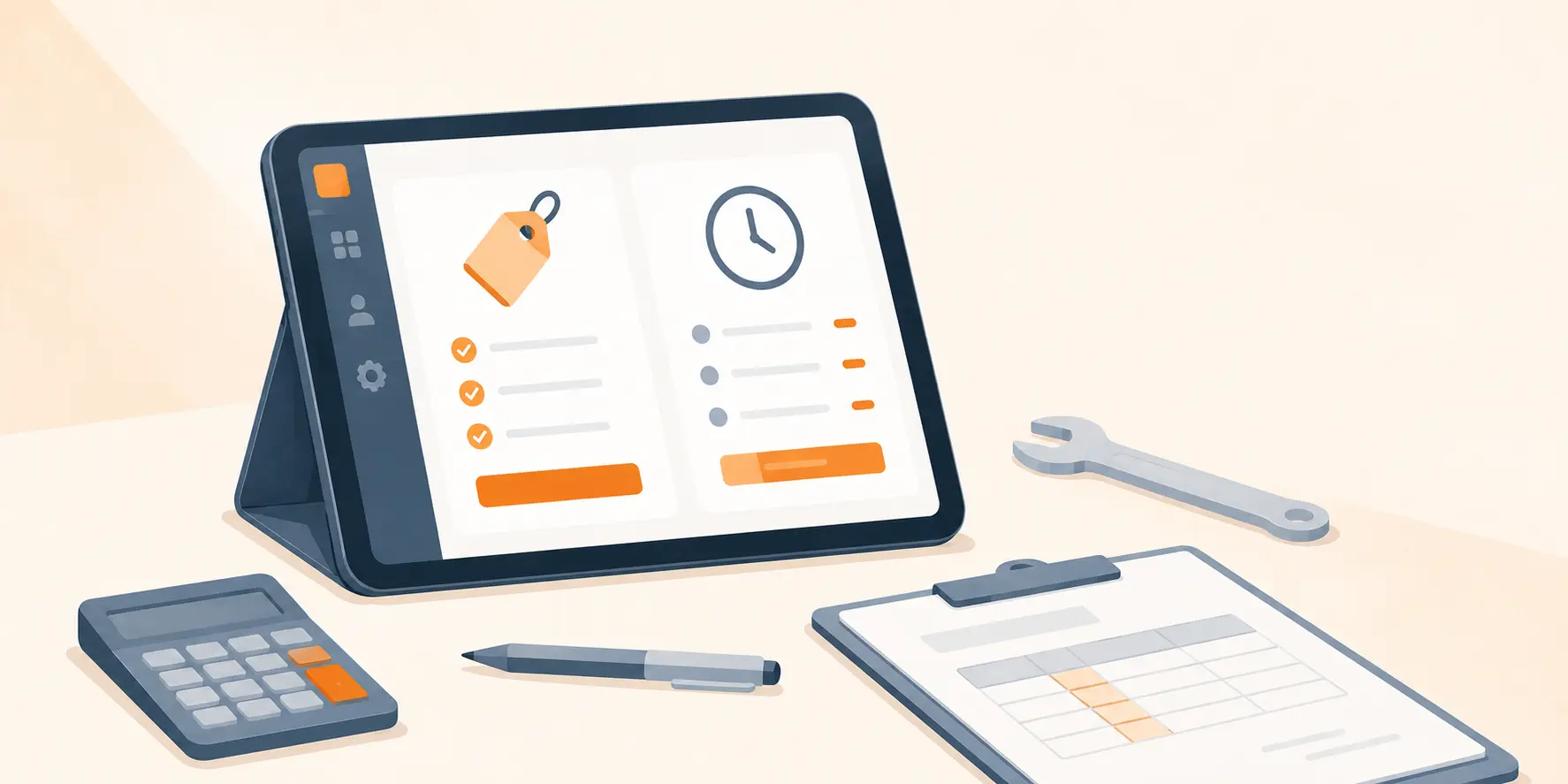
Flat-Rate vs. Time-and-Materials: Choosing the Right Pricing Model
Both pricing models have trade-offs. The right choice depends on your trade, job complexity, and how much pricing transparency your customers expect.
Founder, Pillar
Stephen has spent more than a decade as a senior software engineer with a deep passion for building tools that help small businesses run leaner, faster, and more professionally.
He built Pillar after seeing how many trade businesses still rely on spreadsheets, sticky notes, and a patchwork of apps to manage real operations. Pillar brings scheduling, dispatch, estimates, invoicing, customer portals, and reporting into one connected platform — designed to feel as professional as the work the trades do every day.

Both pricing models have trade-offs. The right choice depends on your trade, job complexity, and how much pricing transparency your customers expect.

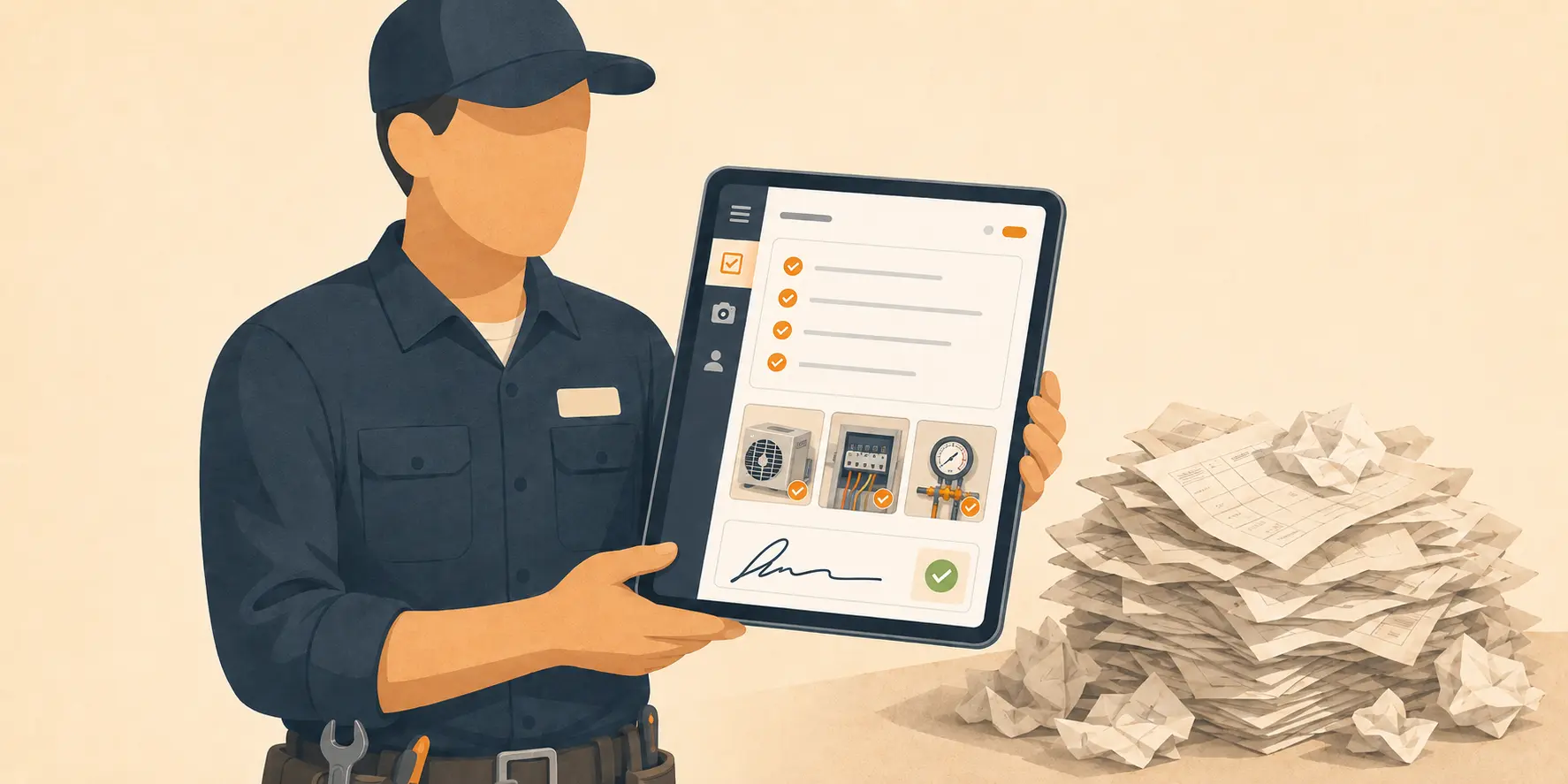
Your technicians spend their day in the field, not at a desk. The tools they rely on should reflect that reality.

A single no-show costs more than the lost revenue from that job. Factor in wasted drive time, rescheduling overhead, and customer trust — the numbers add up fast.

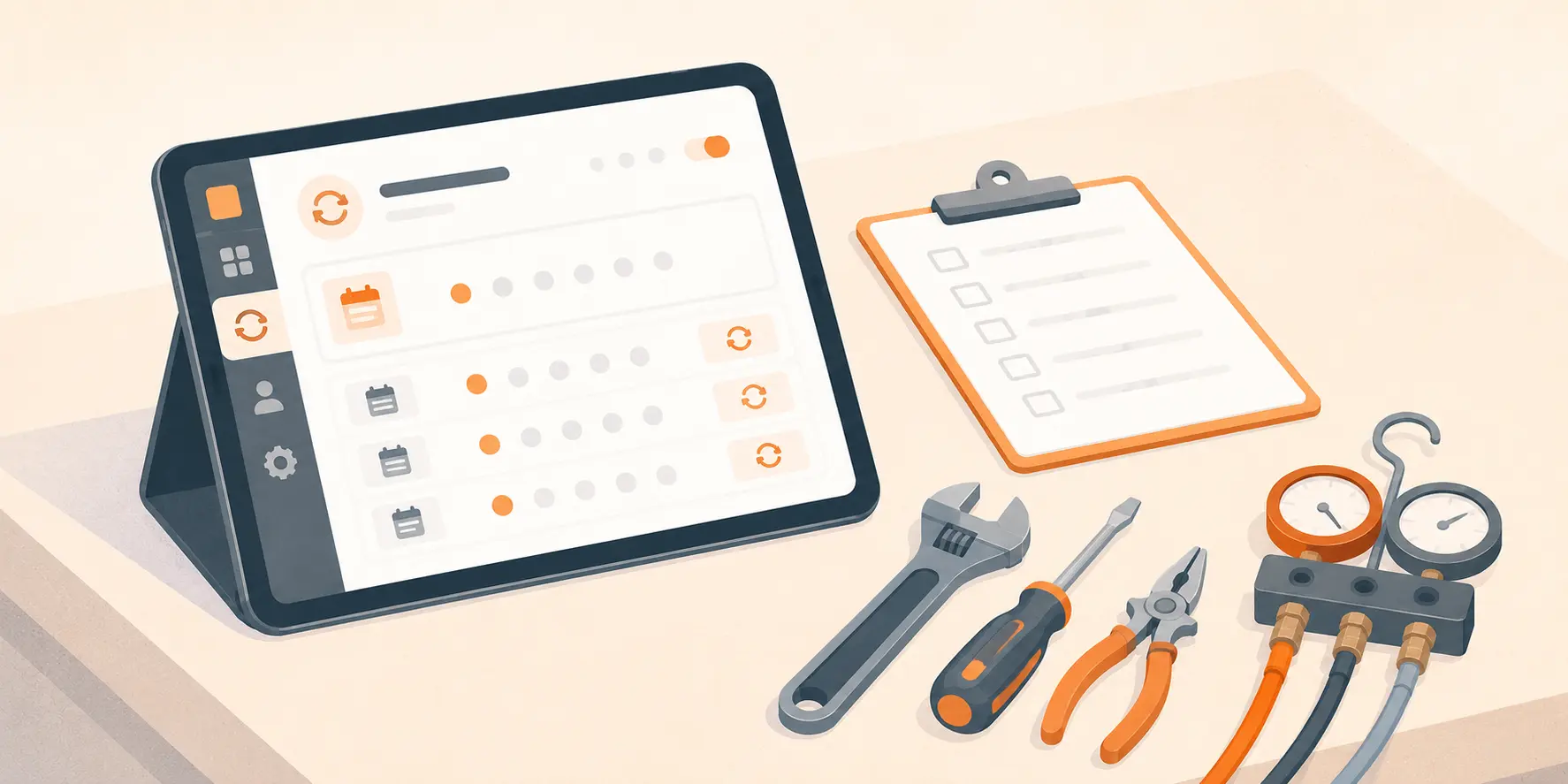
Panel upgrades, HVAC installations, and remodels often span multiple days. Without structured multi-visit tracking, details fall through the cracks.

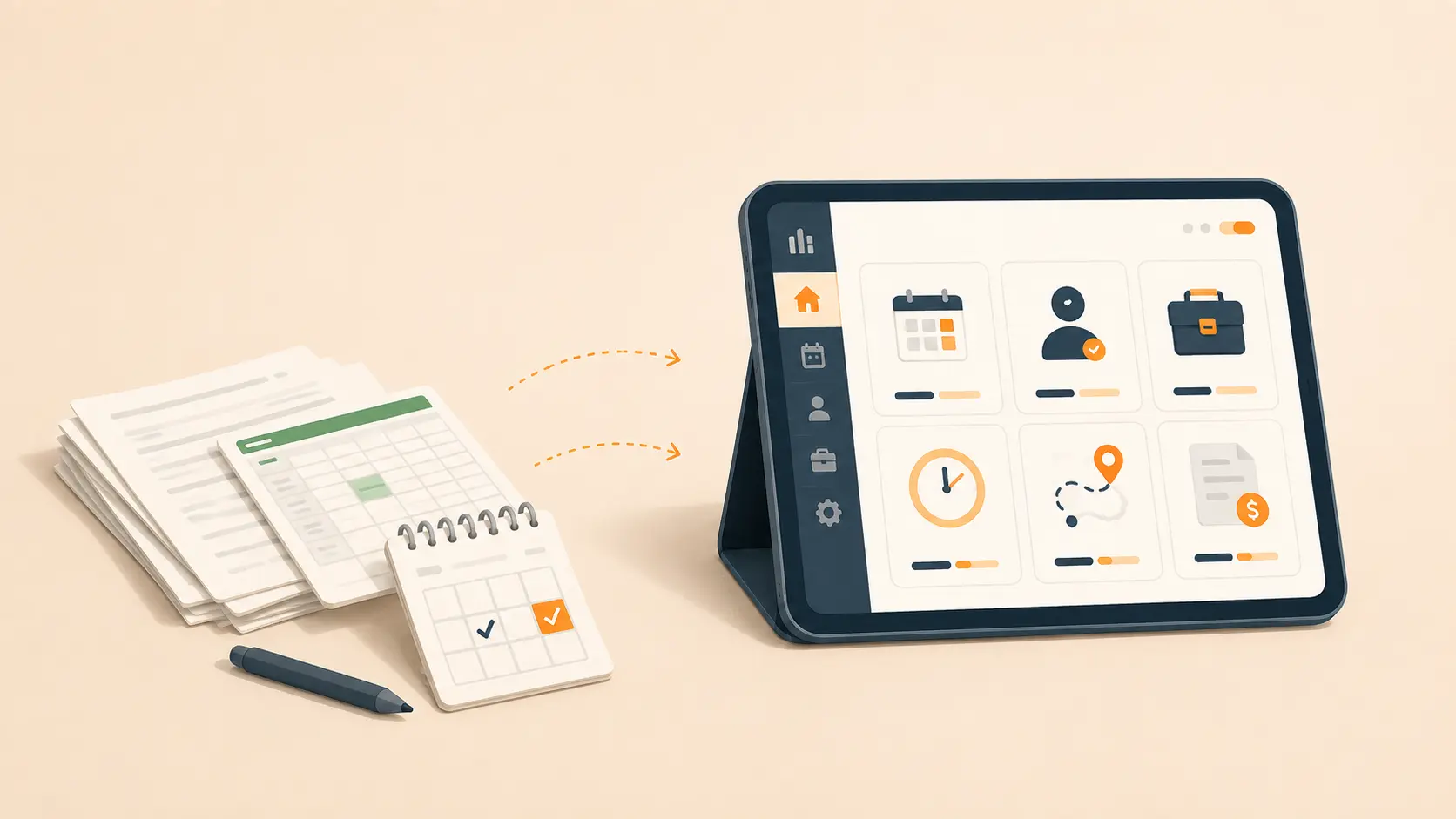
Missed appointments, double-booked technicians, and invoices lost in email threads — if this sounds familiar, spreadsheets are costing you more than you think.
Practical field service tools built for blue-collar trades. Request a 20-minute demo or explore the platform.